Call : +91 80724 47016
kishoreorthoclinic@gmail.com
Location
Home
Doctors
Faculty
SPECIALITY PHYSIOTHERAPIST
HEALTH AND FITNESS
DIAGNOSTICS AND LABORATORIES
ADMINISTRATION
Services
ORTHO AND SPORTS INJURY
ARTHROSCOPY SURGERIES
MAJOR SURGERIES
MINOR SURGERIES
MINOR PROCEDURES
PHARMACY
ORTHOTICS AND BRACES
DIAGNOSTICS AND LABS
PHYSIOTHERAPY
REGERATIVE ORTHO BIOLOGY AND MEDICINE
MULTI SUPER SPECIALITY CLINIC
REHABILITATION
PHYSIOTHERAPY RESEARCH AND TRAINING PROGRAME
HEALTH AND FITNESS CENTRE
DIET AND NUTRITION
HEALTH PREVENTIVE EDUCATION
FREE MEDICAL CAMPS
Reviews
Gallery
Doctors Achievements
Treatment
Surgery
CAMP
Contact Us
Get Appointment
REHABILITATION
Home
REHABILITATION
Our Service List
ORTHO AND SPORTS INJURY
ARTHROSCOPY SURGERIES
MAJOR SURGERIES
MINOR SURGERIES
MINOR PROCEDURES
PHARMACY
ORTHOTICS AND BRACES
DIAGNOSTICS AND LABS
PHYSIOTHERAPY
REGERATIVE ORTHO BIOLOGY AND MEDICINE
MULTI SUPER SPECIALITY CLINIC
REHABILITATION
PHYSIOTHERAPY RESEARCH AND TRAINING PROGRAME
HEALTH AND FITNESS CENTRE
DIET AND NUTRITION
HEALTH PREVENTIVE EDUCATION
FREE MEDICAL CAMPS
SPORTS PHYSIOTHERAPY AND REHABILITATION
Conditions Treated
Musculoskeletal Injuries
: Sprains, strains, tendonitis, and ligament sprains.
Joint Injuries
: Dislocations, subluxations, and joint instability.
Overuse Injuries
: Shin splints, runner's knee, and swimmer's shoulder.
Chronic Conditions
: Osteoarthritis, tendinopathy, and chronic pain.
Treatment Techniques
Manual Therapy
: Massage, joint mobilization, and soft tissue mobilization.
Exercise Therapy
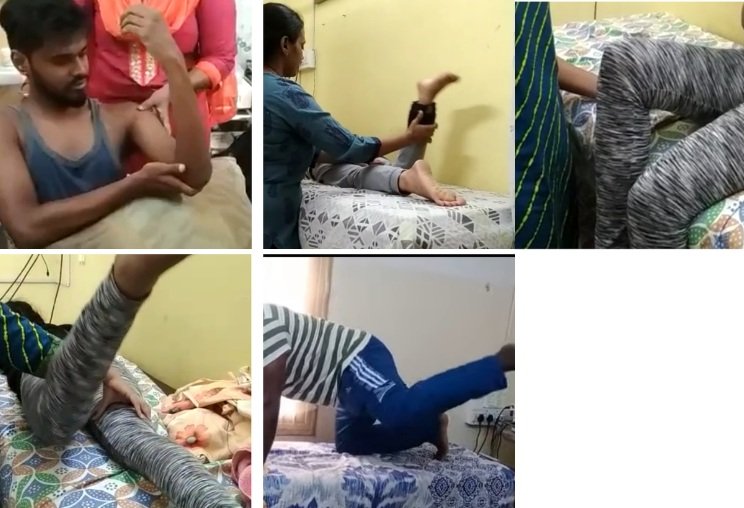
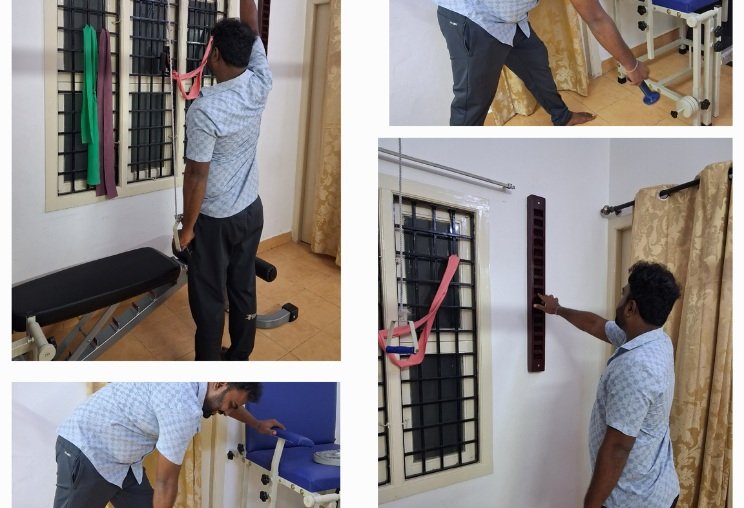
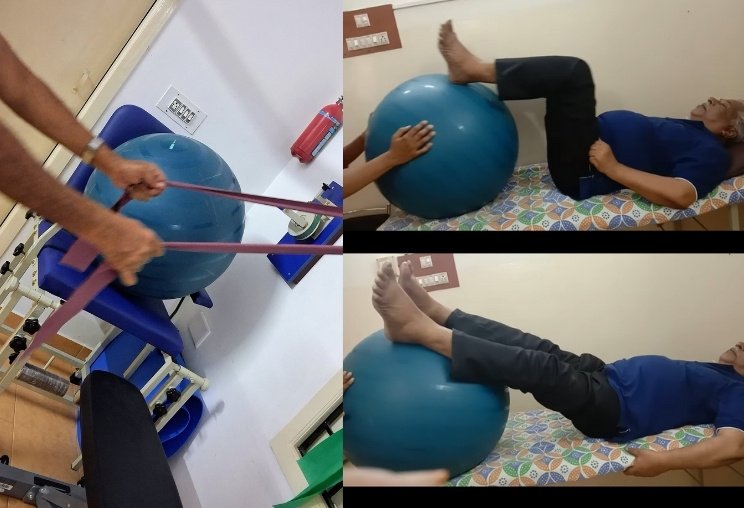
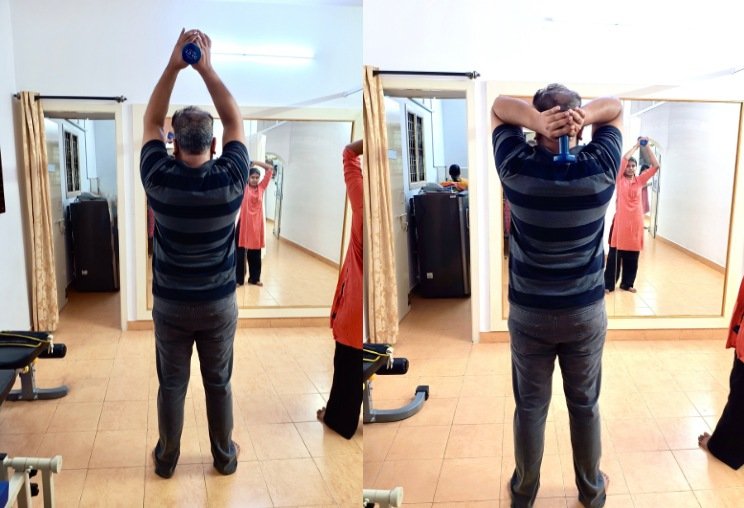
: Strengthening exercises, stretching exercises, and functional training.
Electrotherapy
: Electrical stimulation, ultrasound therapy, and laser therapy.
Taping and Bracing
: Using tape and braces to support injured joints and mus-cles.
Education and Prevention
: Teaching athletes how to prevent injuries and main-tain optimal physical condition.
Benefits
Improved Performance
: Enhancing athletic performance and reducing injury risk.
Injury Prevention
: Identifying and addressing biomechanical issues to prevent injuries.
Faster Recovery
: Accelerating the recovery process after injury or surgery
Chronic Condition Management
: Managing chronic conditions to reduce symptoms and improve quality of life.
Specialized Areas
Sports Specific Rehabilitation
: Tailored rehabilitation programs for specific sports and injuries.
Return to Play Protocols
: Guiding athletes through safe return to play proto cols after injury.
Injury Prevention Programs
: Developing programs to prevent injuries in ath-letes and teams.
ORTHPAEDIC PHYSIOTHERAPY AND REHA-BILITATION
Conditions Treated
Joint Injuries
: Knee, hip, shoulder, elbow, and ankle injuries.
Musculoskeletal Disorders
: Back pain, neck pain, arthritis, tendinitis, and bur-sitis.
Post Surgical Rehabilitation
: After joint replacement, fractures, or other ortho-pedic surgeries.
Sports Injuries
: ACL tears, meniscal tears, shin splints, and other sports-related injuries.
Treatment Techniques
Manual Therapy
: Massage, joint mobilization, and soft tissue mobilization.
Exercise Therapy
: Strengthening exercises, stretching exercises, and aerobic exercises.
Electrotherapy
: Electrical stimulation, ultrasound therapy, and laser therapy.
Gait Training
: Training to improve walking patterns and balance.
Ergonomic Education
: Education on proper posture, body mechanics, and workspace setup.
Rehabilitation Goals
Pain Relief
: Reducing pain and discomfort.
Improved Mobility
: Enhancing flexibility, strength, and range of motion.
Increased Function
: Improving daily functioning and independence.
Return to Work/Activities
: Assisting individuals to return to work, sports, or other activities.
NEURO PHYSIOTHERAPY AND REHABILITATION
Conditions Treated
Stroke
: Hemiplegia, hemiparesis, and other stroke-related impairments.
Spinal Cord Injuries
: Traumatic or non-traumatic injuries affecting spinal cord function.
Spinal Cord Injuries
: Traumatic or non-traumatic injuries affecting spinal cord function.
Neurodegenerative Diseases
: Parkinson's disease, multiple sclerosis, amyotrophic lateral sclerosis (ALS), and other neurodegenerative conditions.
Cerebral Palsy
: Spasticity management, mobility training, and functional skills development.
Treatment Techniques
Neuromuscular Re education
: Techniques to improve muscle strength, tone, and coordination.
Sensory Integration Therapy
: Methods to improve sensory processing and integration.
Mobility Training
: Gait training, balance training, and transfer training.
Electrotherapy
: Electrical stimulation, ultrasound therapy, and laser therapy.
Rehabilitation Goals
Electrotherapy
: Electrical stimulation, ultrasound therapy, and laser therapy.
Increased Strength and Function
: Improving muscle strength, tone, and coordination.
Enhanced Cognitive Function
: Improving attention, memory, and executive function.
Better Management of Symptoms
: Reducing spasticity, pain, and other symptoms.
Increased Independence
: Assisting individuals to perform daily activities with greater ease.
POSTURE CORRECTION PHYSIOTHERAPY AND REHABILITATION
Conditions Treated
Kyphosis
: Rounded upper back posture.
Lordosis
: Inward curvature of the lower back.
Scoliosis
: Abnormal lateral curvature of the spine.
Forward Head Posture
: Forward positioning of the head.
Rounded Shoulders
: Slouched or rounded shoulder posture.
Treatment Techniques
Postural Education
: Teaching proper posture techniques and body mechanics.
Exercise Therapy
: Strengthening exercises for core and postural muscles.
Stretching and Flexibility Exercises
: Improving flexibility and range of motion.
Manual Therapy
: Massage, joint mobilization, and soft tissue mobilization.
Ergonomic Education
: Educating on proper workspace setup and ergonomics.
Benefits
Improved Posture
: Correcting abnormal postures and promoting proper alignment.
Reduced Pain
: Relieving back, neck, and shoulder pain.
Increased Energy
: Improving energy levels and reducing fatigue.
Enhanced Athletic Performance
: Optimizing posture for improved sports performance.
Better Overall Health
: Promoting overall physical function and well-being.
Copyright 2026
Kishore Ortho
All Rights Reserved
Get Appointment
Enquiry Now
Send to WhatsApp